
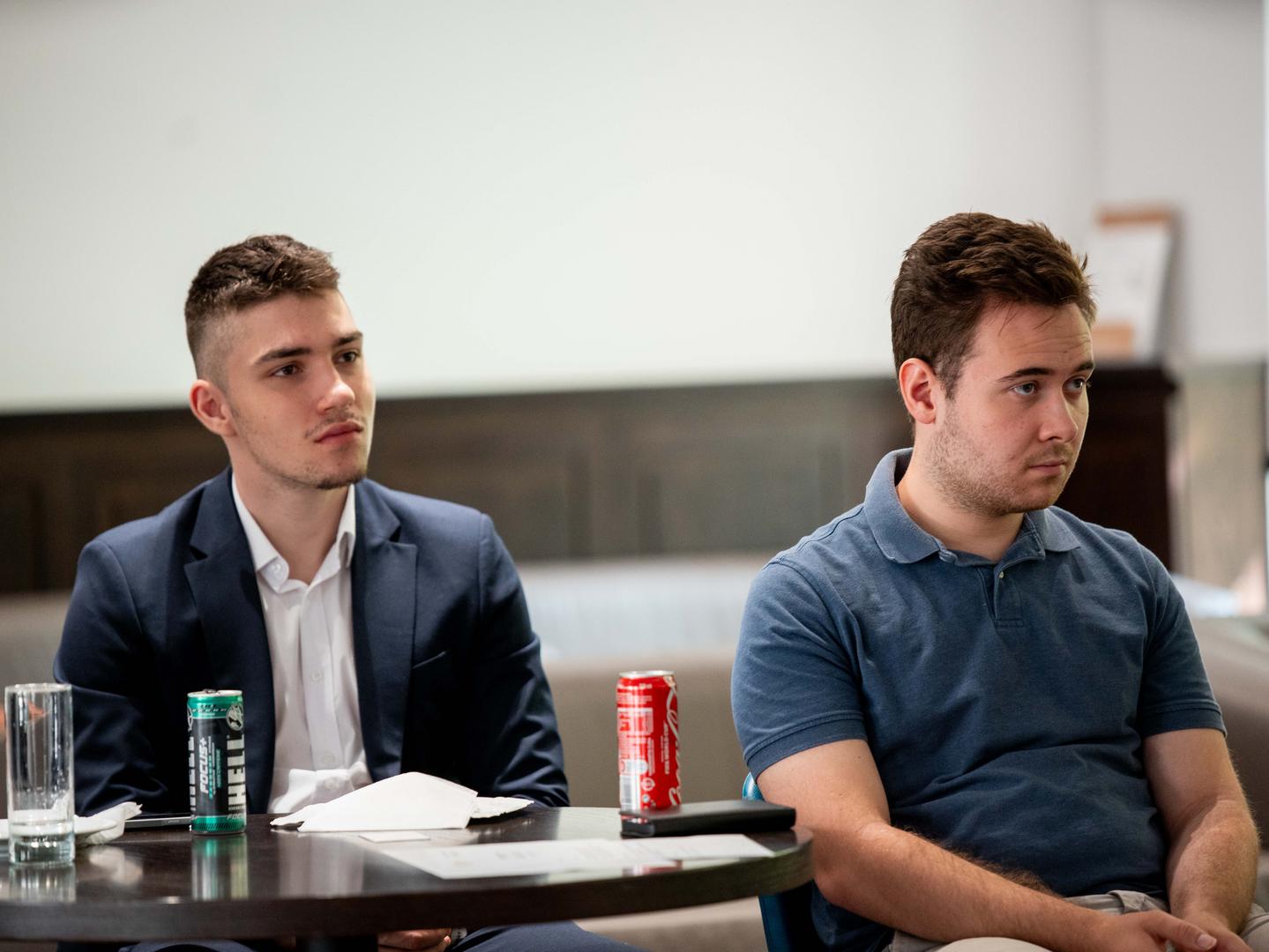
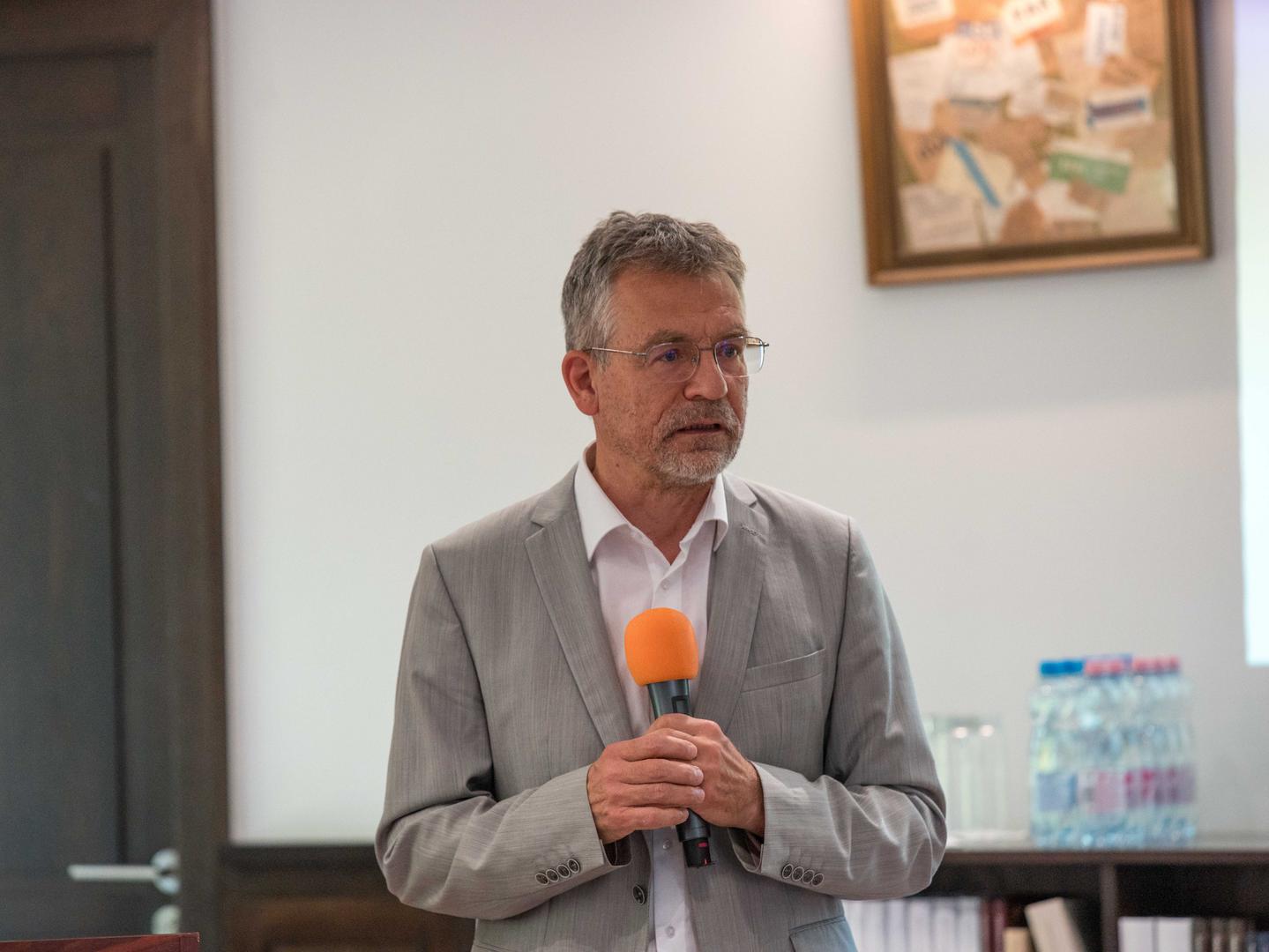
On 10 June 2026, the Research Institute for Politics and Government of the Eötvös József Research Centre at the Ludovika University of Public Service staged an international workshop titled Liberty and Conservatism: A Reappraisal at the John Lukacs Lounge of the Side Building of the Ludovika Campus of the University.
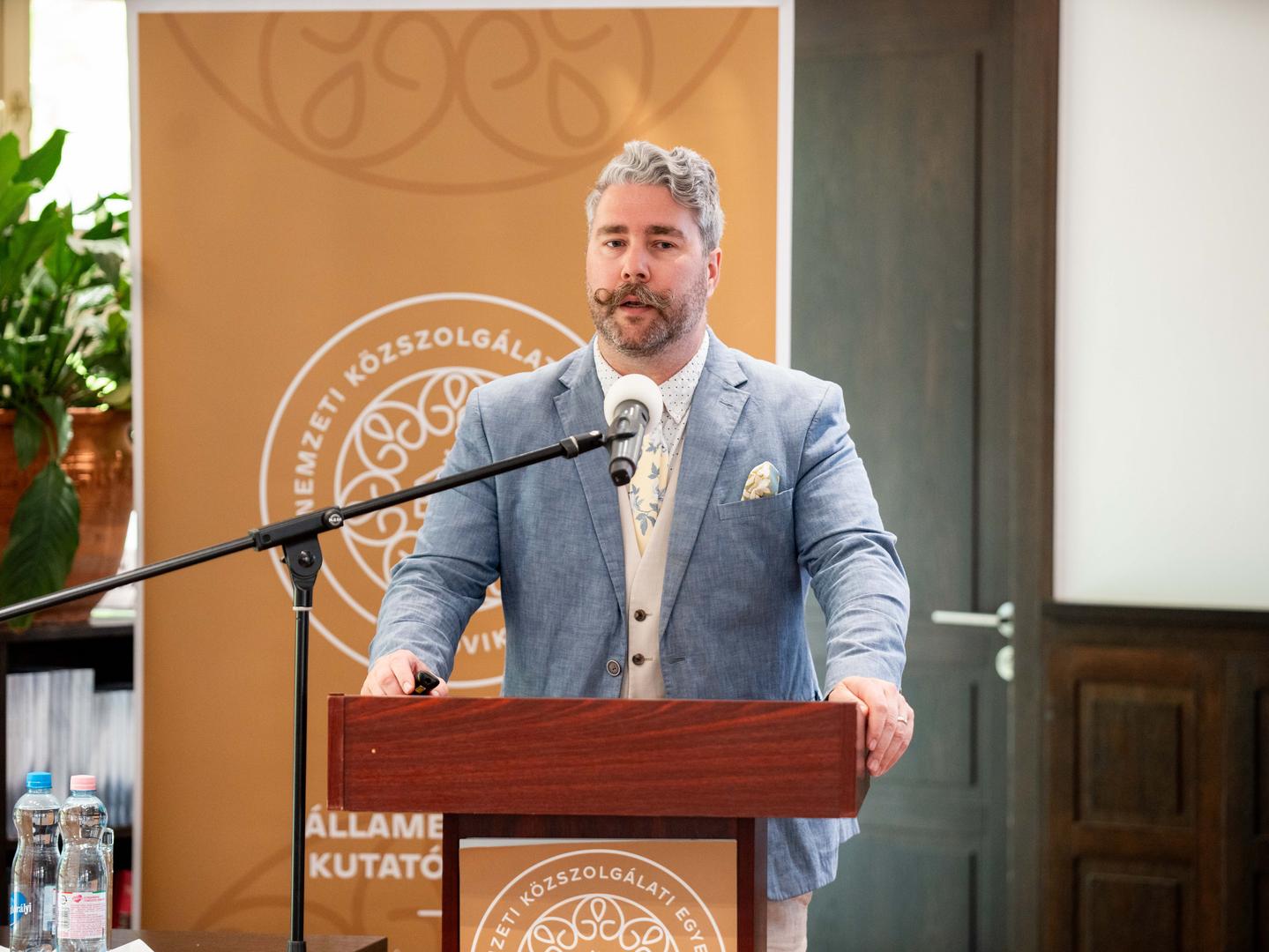
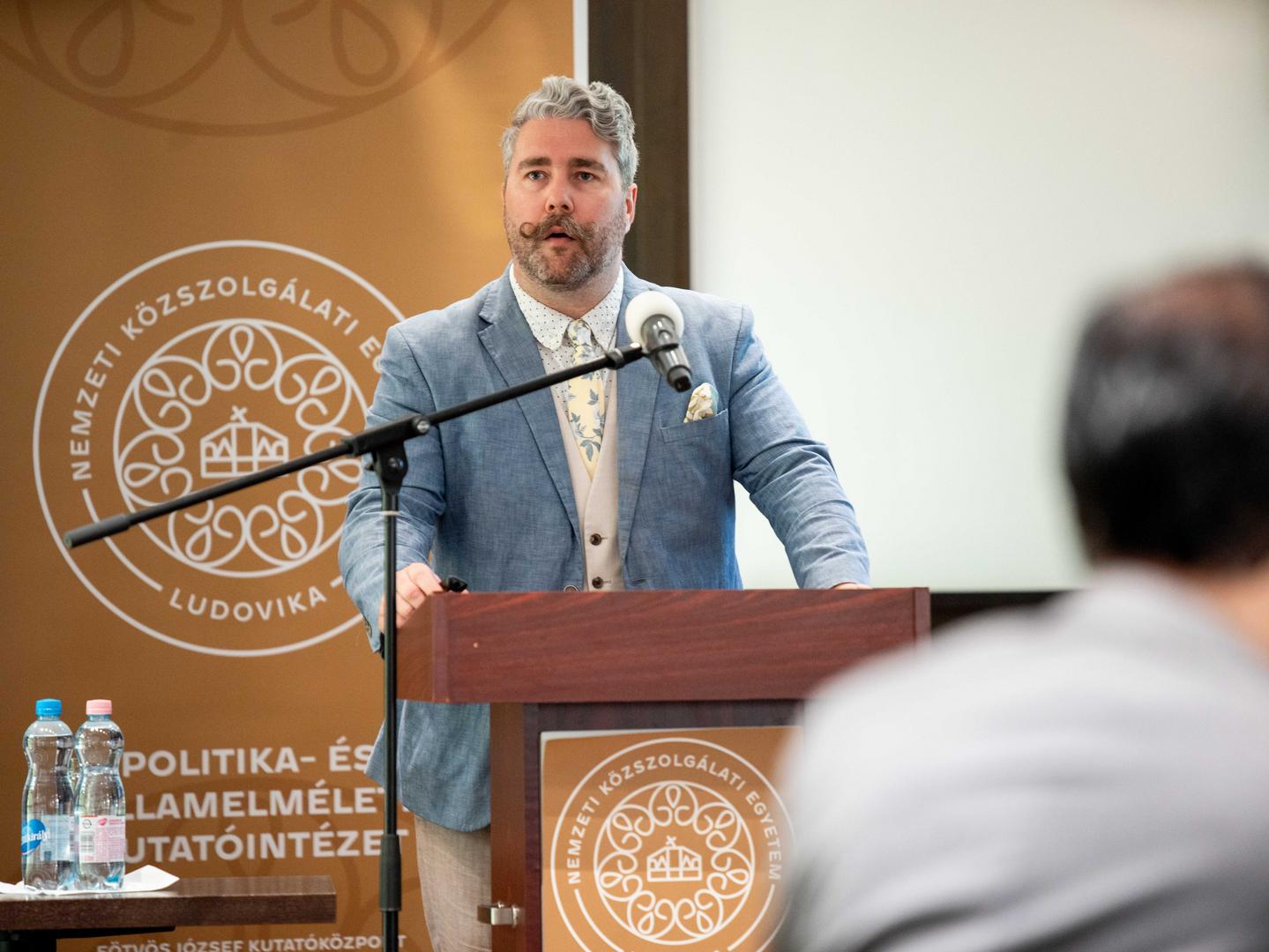
Participants were greeted by Prof. Dr. Ferenc Hörcher, head of RIPG, followed by two keynote lectures held by the organisers of the workshop. Dr. Daniel Pitt, former external fellow of RIPG elaborated his views on the relationship between conservatism and liberty under the title Traditional Conservatism, Order, Freedom and Free Speech – The Role of Tradition and Custom. According to the core thesis of Dr. Pitt, who works on a volume on freedom of speech, freedom is created and enhanced through traditions, customs, mores, norms, and institutions. Without order and justice there can be no liberty, as human beings are not born free (as imagined by Rousseau), but helpless and dependent to their parents. Dr. Pitt acknowledged the problem with free speech in contemporary Britain and proposed a conservative solution between a restrictive Woke and an absolute Libertarian position, but closer to the latter. He emphasised the importance of culture and religion as pre-political foundations of social and political freedom. He referred to the conservative positions articulated by Edmund Burke, Stanley Baldwin, Winston Churchill, Russell Kirk, and Roger Scruton, even mentioning a recent book of former US vice-president Mike Pence underlining the necessity of religion as a pre-requisite for free speech. The conservative insight suggests that manners, civility, tradition and culture, and respect towards others shape speech, and freedom cannot be reduced to the removal of external restraint.
The second keynote lecture was held by Prof. Dr. Ferenc Hörcher, who presented a historical overview of the relation between liberal and conservative positions titled The Relevance of Liberty in the British Intellectual Conservative Tradition. Prof. Hörcher challenged the widespread view that conservatism is not much interested in individual freedom. He underlined his thesis with a brief overview of the development of the British party system in the 17th–19th centuries, demonstrating how both conservative and liberal positions derive from the same Old Whig tradition. He traced back the views articulated in the 1957 debate between Russell Kirk and Friedrich Hayek at the meeting of the Mont Pelerin Society to two sides of this partly overlapping intellectual tradition, in which Hayek viewed himself as an „unrepentant Old Whig”, while Kirk emphasised the conservative elements of this heritage. Edmund Burke was also an Old Whig, who was turned into a conservative by later conservative reception. His views on liberty also come from the Old Whig tradition, but they can also be interpreted as part of a conservative understanding of liberty. Burke focused on liberty as a social phenomenon closely connected to justice, which is made possible by wise laws and well-constructed institutions. He also connected liberty to prudence, as a guiding principle in the restriction of power necessary to safeguard freedom. In the final part of his talk, Prof. Hörcher discussed the views of Roger Scruton, labelling him as a Burkean conservative, placing him at the overlap between conservative and liberal traditions as an Old Whig conservative. Similarly to the paradox of Ernst-Wolfgang Böckenförde, Scruton also emphasised the dependence of the liberal order on certain non-liberal realities. These are non-political social aspects, venerable customs and institutions that allow liberty to flourish. By defending these, Old Whig conservatives are trying to save modern liberalism from itself, but they are also aware that the Good cannot be identified with a romanticised past either. The Old Whig tradition represented by Burke, Kirk, and Scruton provides a proper and still relevant understanding of liberty in the Anglo-American intellectual tradition.
The second part of the workshop included two presentations and one response. In a pre-recorded lecture Karl Gustel Wärnberg, an independent scholar from Stockholm talked about Juan Donoso Cortes and the Catholic Tradition of Liberty. According to him, mid-19th-century Spanish politician and political thinker Donoso Cortes represented a Catholic Christian understanding of liberty based on a teleological view of Man. In Donoso Cortes’s views, liberty depends on proper understanding and willingness, but human beings are corrupted by sin and therefore subject to error. According to him, freedom has natural limits, certain things will not be attractive if we have the right virtues. This stance is also reflected in the Encyclical Libertas Praestantissima of Pope Leo XIII. The Catholic view of human flourishing is based on personalism, and not on individualism, centred around the search for the common good that is only possible in society.
Madhurya Chakraborty, an independent scholar from India held his lecture online on the topic of Freedom, Authority, Conservatism and Roger Scruton. He assessed the role of freedom in the thinking of Scruton, connecting his views to other thinkers of the Anglo-American Great Tradition like Russell Kirk, David Hume, Isaiah Berlin, C. S. Lewis, and Tristan J. Rogers. According to him, the conservative understanding of liberty is based on the value of participation in society and its institutions. It defends liberty as an existing value, manifested by institutions and community, the free association of rational beings. For Scruton, freedom emerges from the authority of the institutions of civil society which grow from below and should limit state-interference in social and economic affairs.
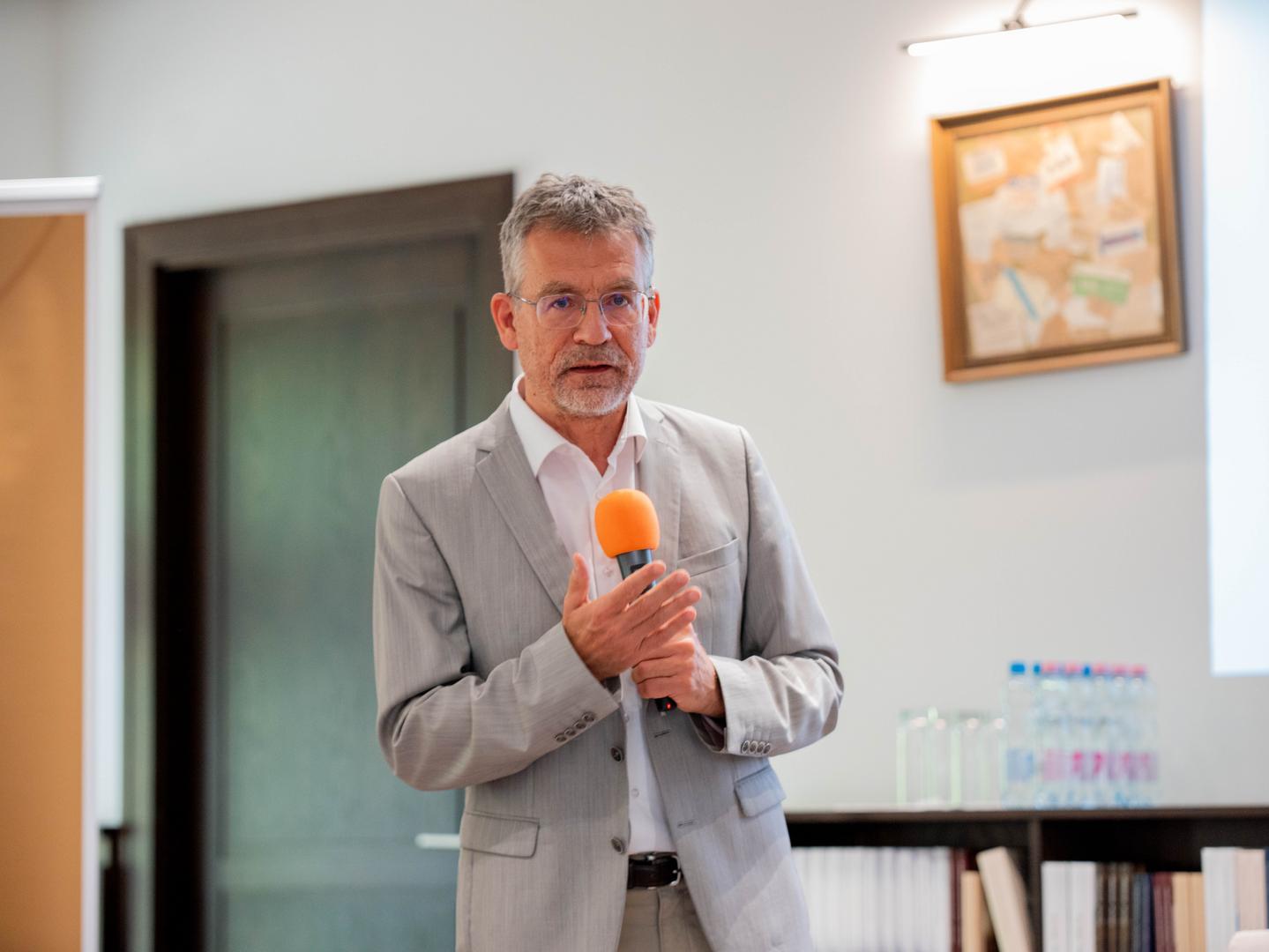
In his response, Dr. Tamás Nyirkos (RIPG) addressed three key issues raised by the presentations of the workshop. The conservative definition of democracy (as manifested in Churchill’s test for freedom) is not ideological but institutional, aware of the dangers posed by the tyranny of the majority following the assessment of Tocqueville. The birth of conservatism after the French revolution cannot be viewed as a clear division between liberal and conservative thinkers. According to Dr. Nyirkos, thinkers considered liberal like Tocqueville and Montalembert have a lot in common with Chateaubriand, de Bonald, Donoso Cortes, or even de Maistre, who are widely regarded as conservative or even reactionary. They are all part of a shared conservative tradition. His final point referred to the religious conditions of freedom. Contrary to Hayek’s views, Nyirkos denied that the spiritual and the temporal would be two different spheres that can be separated entirely from each other. In his view, these are just two different institutions, the separation of which is the source of the main problems of modern secularism. There is no truly non-spiritual sphere of politics, and the religious embeddedness of freedom needs to be tackled.
The workshop ended with a vivid discussion further illuminating the historical contexts and their actual relevance, as well as the social and political importance of the conservative understanding of liberty.
Kálmán Tóth
research fellow
Research Institute for Politics and Government, Eötvös József Research Centre, Ludovika University of Public Service
Photo: Katinka Halápi